-
 How to Decide, Convey vs. Convince, & More
From 🇺🇸 a16z Podcast, published at 2020-10-08 03:49
with @annieduke @jeff_jordan All kinds of decisions, whether in life or business -- like marriage product management, what to eat or watch -- are a portfolio of investments. And obviously, not all decisions are equal; in fact, sometimes we don't even have to spend any time deciding. So how do we know which decisions to spend time on, which ones not to? What are the strategies, mindsets, tools to help us decide? How can we operationalize good decision hygiene into our teams and organizations? We cover all this and more in this early podcast with Annie Duke for her new book, How to Decide.
-
 Fintech for Gen Z and Millennials
From 🇺🇸 a16z Podcast, published at 2020-10-01 15:00
with @mira404 @illscience @seema_amble @laurenmurrow Millennials and Gen Z have been hard-hit by the one-two punch of the 2008 and 2020 financial crises. That experience has radically shaped their approach to finances and their mindset around credit and debt. This episode explores how fintech founders are now designing products tailored to the financial challenges of younger consumers, from managing and avoiding student loans to building credit to saving and budgeting apps. Historically, students have largely been overlooked by traditional banks. Due to a combination of economic forces, predatory lending practices, and uninformed decisions, millennials have more outstanding student loans—and owe more money—than any prior generation. According to a poll conducted this month by the data intelligence company Morning Consult, just 46 percent of millennials believe their student debt was worth attending college. Amira Yahyaoui wants to change that. She’s the founder and CEO of Mos, a platform that allows students to apply for every government college financial aid program with a single application. In this episode, Amira joins host Lauren Murrow and a16z fintech partners Anish Acharya and Seema Amble to discuss how fintech can cut through bureaucracy, downsize student debt, and optimize—and ultimately automate—consumers’ financial futures from an early age.
-
 Degrading Drugs for Problem Proteins: Journal Club now on Bio Eats World (ep 2)
From 🇺🇸 a16z Podcast, published at 2020-09-27 17:00
with @carolynbertozzi @lr_bio This is the second episode in our new show, Bio Eats World, a brand new podcast all about how biology is technology. This show now includes Journal Club, where we discuss groundbreaking research articles, why they matter, what new opportunities they present, and how to take the findings from paper to practice. Be sure to subscribe (and rate if you like) this show, and to learn more about the expanding a16z Podcast network, please go to a16z.com/podnetwork
-
The Biology of Aging: Introducing Bio Eats World (ep 1)
From 🇺🇸 a16z Podcast, published at 2020-09-23 09:45
with @kristenfortney @laurademing @vijaypande @omnivorousread This is the very first episode in our new show, Bio Eats World, a brand new podcast all about how biology is technology: Bio is breaking out of the lab and clinic and into our daily lives -- on the verge of revolutionizing our world in ways we are only just beginning to imagine. In this first episode, we talk all about the science of aging. Be sure to subscribe (and rate if you like) this show, and to learn more about the expanding a16z Podcast network, please go to a16z.com/podnetwork
-
 TikTok & Beyond: The Algorithm Question, The Future of Product
From 🇺🇸 a16z Podcast, published at 2020-09-20 19:44
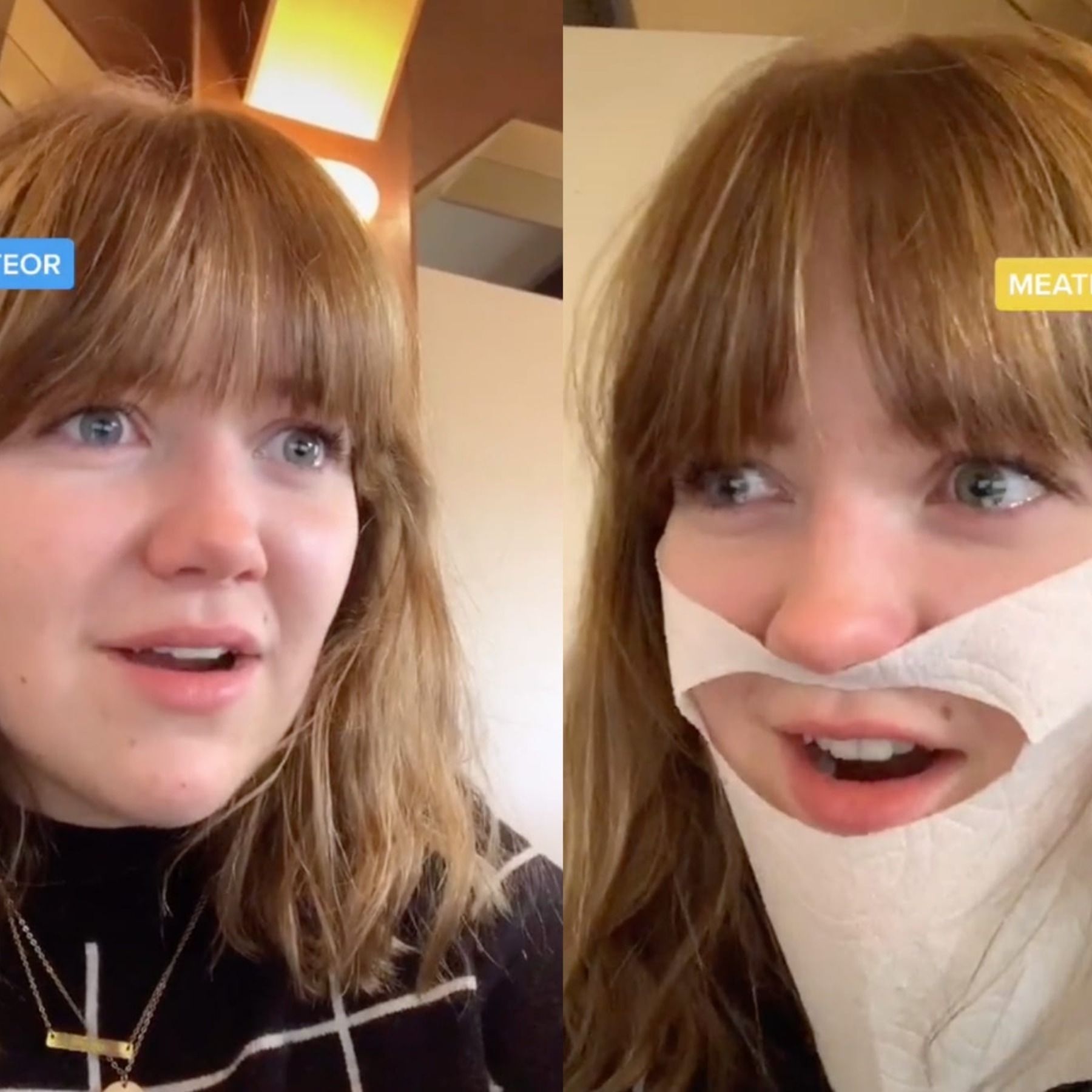
with @eugenewei @smc90 TikTok's For You Page algorithm (which could yet be excluded from the deal given Chinese government recently revised export controls around source code) enabled it to grab massive marketshare in cultures and markets never experienced firsthand by the engineers and designers in China, beating out other dominant players in the United States. But well beyond the specifics and politics of this deal, what does its "algorithm friendly" product design tell us about “creativity network effects”, community, and the future of video?
-
The New Fan Club: Creators, Fans, and the Power of Markets (& Crypto)
From 🇺🇸 a16z Podcast, published at 2020-09-18 16:59
Today’s episode, part two in our two-part series on the Creator Economy, focuses on the new potential revenue streams and fan-engagement models opened up by emerging decentralized technology. It's a new type of fan club, driven by crypto networks and aiming to give creators more power in the commercial sphere. Zoran Basich of a16z talked to two guests deeply immersed in these topics. Kayvon Tehranian is the founder and CEO of Foundation Labs, a platform for buying and selling limited edition goods. Think of it as a crypto marketplace that creates new revenue streams for creators, and financial incentives for buyers. Before that he was head of product at cryptocurrencies marketplace Dharma Labs, and he has long worked on making crypto more accessible to the mainstream. Jesse Walden is a former a16z partner who recently launched his own fund, Variant, which focuses on what he calls the ownership economy enabled by crypto. He also previously cofounded the startup Mediachain, which was acquired by Spotify, and is a former music promoter and manager whose focus was on helping artists stay independent. Kayvon and Jesse explain how the emerging crypto models differ from previous attempts to create new revenue streams for artists, and about the role of speculation and hype in creator markets. They also debate whether these new markets will largely be driven by financial motives, or whether cultural factors will be equally powerful in determining the growth of creator markets. And they offer advice to creators interested in exploring this new world, including important practical guidance on expectations and timelines. Stay Updated: Find a16z on X Find a16z on LinkedIn Listen to the a16z Show on Spotify Listen to the a16z Show on Apple Podcasts Follow our host: https://twitter.com/eriktorenberg Please note that the content here is for informational purposes only; should NOT be taken as legal, business, tax, or investment advice or be used to evaluate any investment or security; and is not directed at any investors or potential investors in any a16z fund. a16z and its affiliates may maintain investments in the companies discussed. For more details please see a16z.com/disclosures. Hosted by Simplecast, an AdsWizz company. See https://pcm.adswizz.com for information about our collection and use of personal data for advertising.
-
 So You Want to Launch a Newsletter: Tips From Substack Writers
From 🇺🇸 a16z Podcast, published at 2020-09-17 15:00
This episode explores the process and economics behind creating an independent newsletter. In this candid conversation, host Lauren Murrow talks with four Substack writers—an artist, a technologist, a journalist, and a clinical researcher-turned-psychedelics scholar—about how to find and foster an audience, the calculus behind going paid versus unpaid, the pressure to produce, and financial benchmarks for making a living from newsletter writing.
-
 Designing a Culture of Reinvention
From 🇺🇸 a16z Podcast, published at 2020-09-15 23:34
Since Netflix started in the late 90s as a DVD-by-mail rental service competing with Blockbuster, it has completely reinvented itself... twice – first, when it went from DVD rental to video streaming platform, and then again when it went from licensing to producing original content. But what does it takes to create an organization capable of reinventing itself? Netflix CEO and co-founder Reed Hastings explains...
-
 Heroes & Myths in Entrepreneurship -- Guy Raz
From 🇺🇸 a16z Podcast, published at 2020-09-12 18:44
with @guyraz @smc90 For better or for worse, we tell the stories of entrepreneurs as one of the mythical hero's journey: that's there's a call, a test, a destination... But are we indulging in hero worship or failure porn? Where does and doesn't optimism come in for building? Storytelling IS business -- whether it's a company or a community or a product or a movement -- and is not just about the stories we tell others but the ones we tell ourselves.
-
 The Question of Education
From 🇺🇸 a16z Podcast, published at 2020-09-11 06:00
with @pmarca @zoink A wide-ranging Q&A all about education, from the purpose, past, and present of education; the economics of education (student loans & the debt crisis, government funding, cost disease, accreditation capture); tradeoffs of "hard" and "soft" degrees; and whether or not to drop out and go straight to field or startup. What's the best advice for students and others contemplating change in their careers... how do you get noticed?
-
 Pandemic Relief and Fraud: Willful Deceit or Design Defect?
From 🇺🇸 a16z Podcast, published at 2020-09-04 15:00
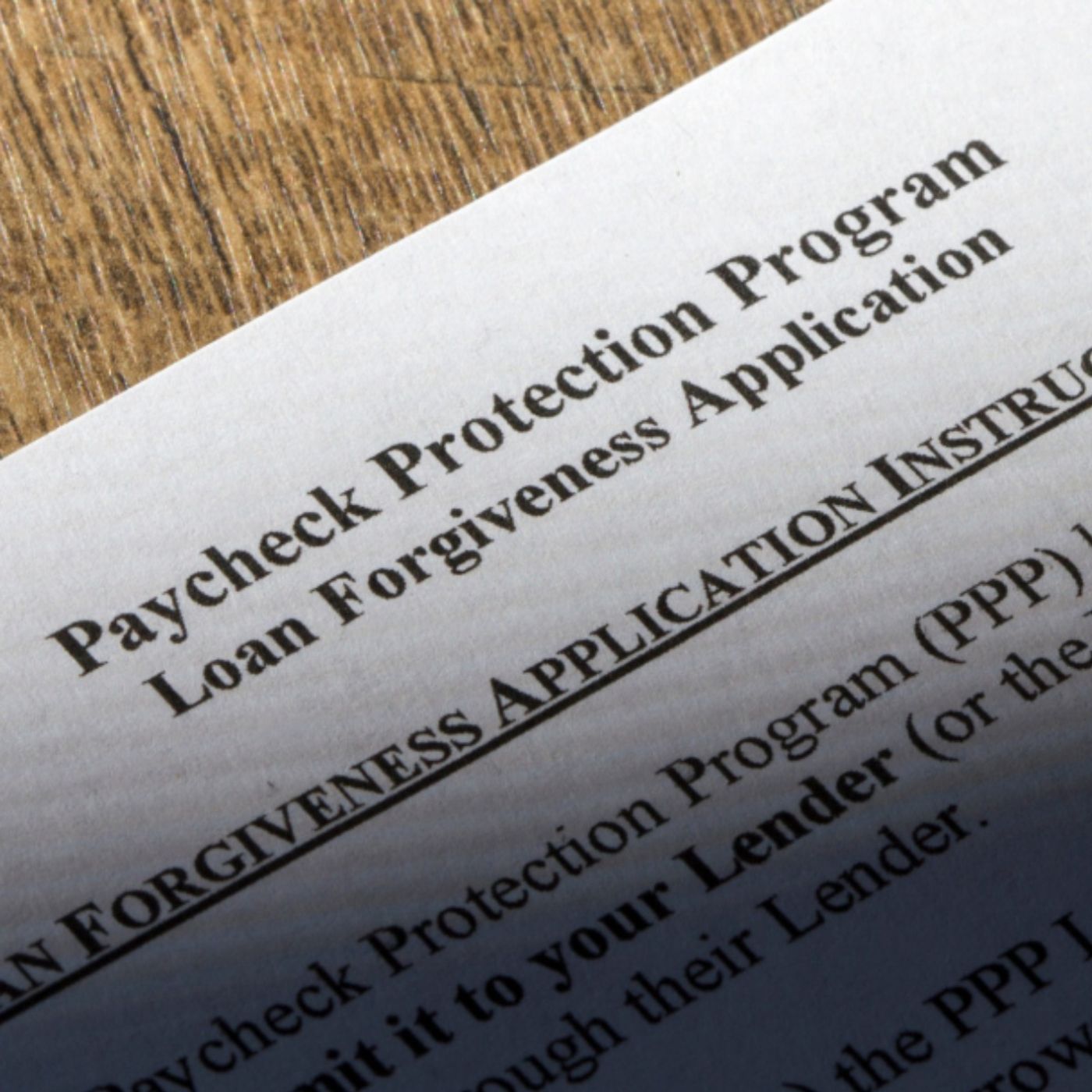
This episode examines the potential for misuse and fraud among those applying for the Paycheck Protection Program (PPP)—and how fintech and software provide overlooked tools to stop it. Host Lauren Murrow is joined by Bharat Ramamurti, the original member of the COVID-19 Congressional Oversight Commission, which is tasked with evaluating the impact of coronavirus relief loans; Naftali Harris, the CEO of SentiLink, a software company that builds technology to detect synthetic fraud; and a16z fintech general partner Alex Rampell.
-
 Measuring & Managing Community Orgs, Developer Relations and Beyond
From 🇺🇸 a16z Podcast, published at 2020-08-30 21:59
We know community is important -- whether for developer relations for your platform or just other types of communities -- but how do we measure the success of community initiatives and even artifacts (like events or schwag)? How do we know we're even measuring the right things? And when it comes to developer relations specifically, where should devrel sit in an organization (product, sales, engineering)? Who should you hire first? And how do you reconcile developer as customer vs. developer as community member?
-
 Reining in Complexity: Data Science & Future of AI/ML Businesses
From 🇺🇸 a16z Podcast, published at 2020-08-21 18:30
with @pwang @martin_casado AI/ML development is like reining in the natural world, more like physics and even metaphysics, where data and models are fluid. But this not just a philosophical observation; it has real implications for the margins, organizational structures, and building of such businesses. Especially as we’re in a tricky time of transition, where customers don’t even know what they’re asking for, yet are looking for AI/ML help or know it’s the future. So what does this all mean for the software value chain; for open source collaboration and commodification; for a new type of AI/ML company; and for the future of software businesses?
-
 Online Learning and the Ed Tech Debate
From 🇺🇸 a16z Podcast, published at 2020-08-17 15:00
This episode is all about education and technology, a topic that’s especially top of mind this week as students in much of the country return to school—virtually. The intersection of learning and technology has been accelerated by the pandemic, but the debate around education's "disruption," and what that means for educators doing the hands-on work of teaching, has been swirling for years. In this episode, a16z general partner Connie Chan and host Lauren Murrow are joined by educators and experts Josh Kim, the Director of Online Programs and Strategy at Dartmouth College, and David Deming, Professor of Education and Economics at the Harvard Kennedy School and the Harvard Graduate School of Education.
-
 On Vaccines and Vaccinology, in COVID and Beyond
From 🇺🇸 a16z Podcast, published at 2020-08-14 17:00
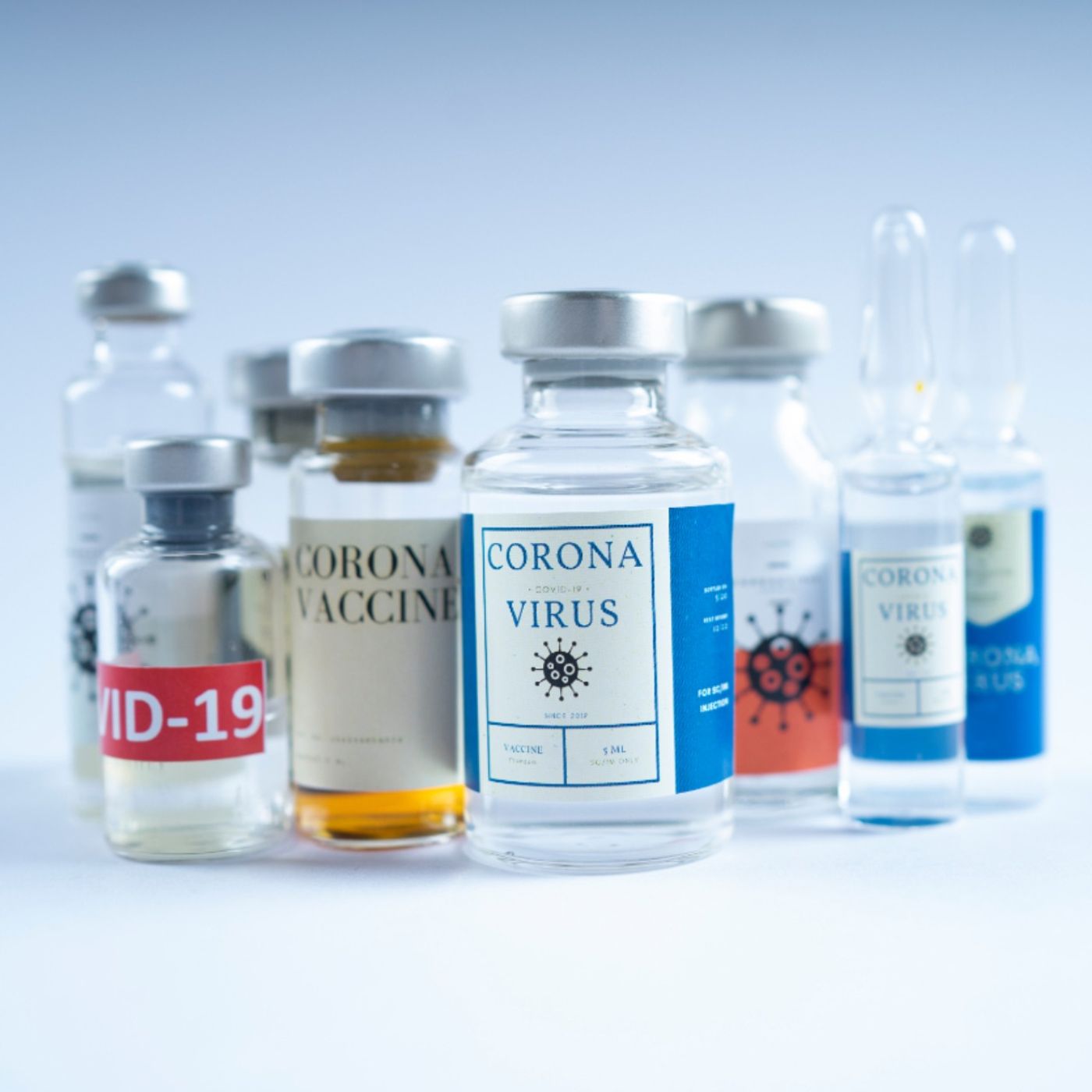
with @rvenkayya @jorgecondebio WHEN are we going to have a COVID-19 vaccine, and how the heck are we going from 12 years of vaccine development compressed into 12 months or so? What will and won’t be compromised here, and where do new technologies (like mRNA) come in? Where will vaccines likely be distributed first; who will and won't get them initially; how do we maintain not just safety and efficacy of vaccines but trust and transparency when it comes to mis/information? We may actually see the emergence of a "Neo Anti-Vaxxer"... but we may also be entering a renaissance for vaccinology after this pandemic.
-
Turning Open Source Developers Into Superfans
From 🇺🇸 a16z Podcast, published at 2020-08-10 20:03
In this episode, we continue our community series with a recent discussion that applies to many kinds of community building. Today’s topic: How do you create a platform that people not only use, but tell their friends about? One that goes beyond just being useful and actually connects deeply with the user? In this discussion, which was recorded at our Crypto Startup School in April 2020, a16z General Partner Chris Dixon talked about building communities — specifically, communities of open-source developers — with GitHub cofounder Tom Preston-Werner. They discussed how to engage early users, how to turn them into your biggest advocates, how to create superfans, and more. Today, GitHub is the leading community for open-source developers and others. They also discuss in-person communities vs. distributed communities, a topic that is very top of mind today. Stay Updated: Find a16z on X Find a16z on LinkedIn Listen to the a16z Show on Spotify Listen to the a16z Show on Apple Podcasts Follow our host: https://twitter.com/eriktorenberg Please note that the content here is for informational purposes only; should NOT be taken as legal, business, tax, or investment advice or be used to evaluate any investment or security; and is not directed at any investors or potential investors in any a16z fund. a16z and its affiliates may maintain investments in the companies discussed. For more details please see a16z.com/disclosures. Hosted by Simplecast, an AdsWizz company. See https://pcm.adswizz.com for information about our collection and use of personal data for advertising.
-
 Journal Club: Slaying the Sleeper Cells of Aging with CAR T
From 🇺🇸 a16z Podcast, published at 2020-08-09 17:55
with @jorgecondebio @andy23tran and @lr_bio On this episode of the a16z Journal Club we discuss new research using engineered T cells to attack and destroy the "sleeping" cells that build up as we age and underlie many age-related conditions. This research lays the groundwork for a possible therapy that, in addition to treating specific diseases like liver fibrosis, is broadly health-promoting and restorative as we age.
-
 Working, Making, Creating in Public... and Private
From 🇺🇸 a16z Podcast, published at 2020-08-02 01:39
with @nayafia @smc90 Communities are everything, but the word "members" is faceless. What if there's a better, more modern way to understand, support, and design for communities of all kinds -- whether open source, passion economy, or other groups coming together? Nadia Eghbal offers the latest research and insights from her new book, Working in Public: The Making and Maintenance of Open Source Software... but it's not all participatory, and it's not all public, either.
-
GPT-3: What's Hype, What's Real on the Latest in AI
From 🇺🇸 a16z Podcast, published at 2020-07-30 19:26
with @smc90 @withfries2 Given all the recent buzz around the language model GPT-3 -- what is "it", how does it work, where does it fit into the arc of broader tech trends -- what's hype, what's real here? Are we really getting closer to artificial general intelligence? We cover all this and more and discuss broader implications for startups, incumbents, and the future of work too.
-
 Taking the Pulse on Medical Device Security
From 🇺🇸 a16z Podcast, published at 2020-07-22 19:21
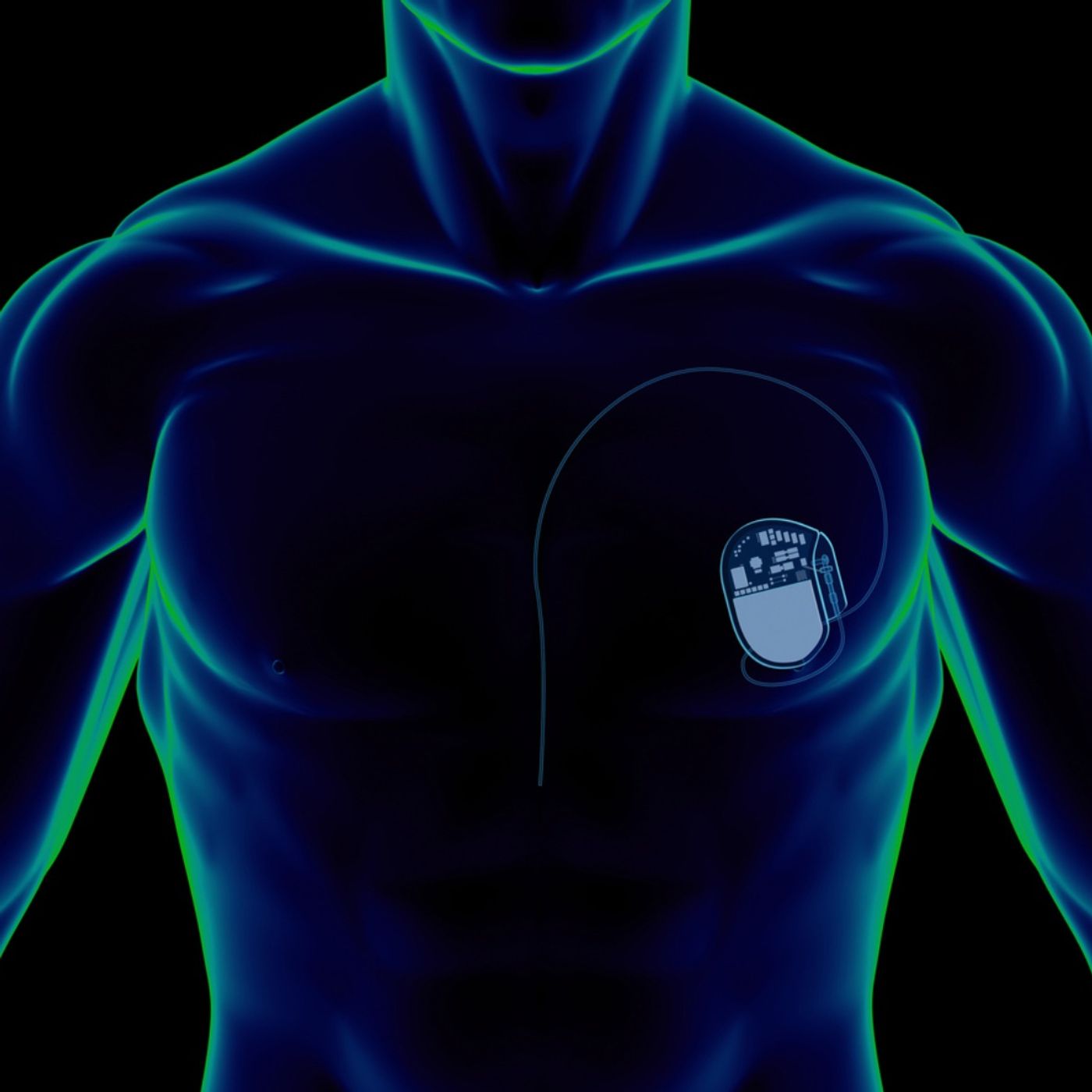
with @AndreaCoravos, @beauwoods, and @omnivorousread Many don’t realize we even need to think about the possibility of security hacks when it comes to things like pacemakers, insulin pumps, and more. But when bits and bytes meet flesh and blood, security becomes literally a life or death concern. So what are the issues and risks we need to be aware of in exposing security vulnerabilities in connected biomedical devices? This conversation—with Beau Woods, Cyber Safety Innovation Fellow with the Atlantic Council, part of the I Am The Cavalry grassroots security initiative, Founder/CEO of Stratigos Security; Andy Coravos, co-founder and CEO of Elektra Labs, advisor to the Biohacking Village at DEF CON (both of whom were formerly EIRs at the FDA); and a16z's Hanne Tidnam covers how we should begin to think about addressing these security issues in the biomedical device space. What are the frameworks that should guide our conversations, and how and when (and which!) stakeholders should be incentivized to address these challenges? How did the FDA begin to think about security as part of the safety of all medical devices, including software as a medical device, and how we should think about understanding, monitoring, and updating the security of these devices—from philosophical statements to on-the-ground practical fixes and updates?