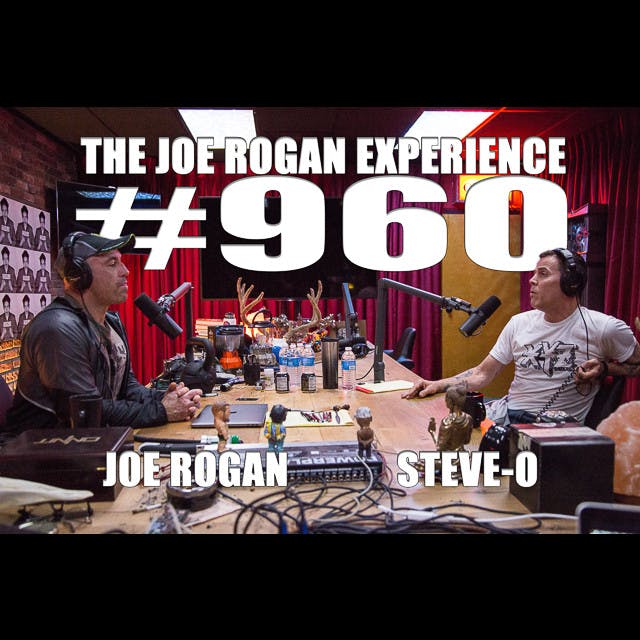
#960 - Steve-O
Steve-O is a stunt performer, comedian, clown, actor, producer, author, and television personality. Learn more about your ad choices. Visit podcastchoices.com/adchoices
14874 episodes from United States
Steve-O is a stunt performer, comedian, clown, actor, producer, author, and television personality. Learn more about your ad choices. Visit podcastchoices.com/adchoices
This episode is only available as audio. Joe sits down with Tony Hinchcliffe on a plane to discuss the weekend's events at UFC 211 in Dallas, TX. Learn more about your ad choices. Visit podcastchoices.com/adchoices
Moore's Law -- putting more and more transistors on a chip -- accelerated the computing industry by so many orders of magnitude, it has (and continues to) achieve seemingly impossible feats. However, we're now resorting to brute-force hacks to keep p...
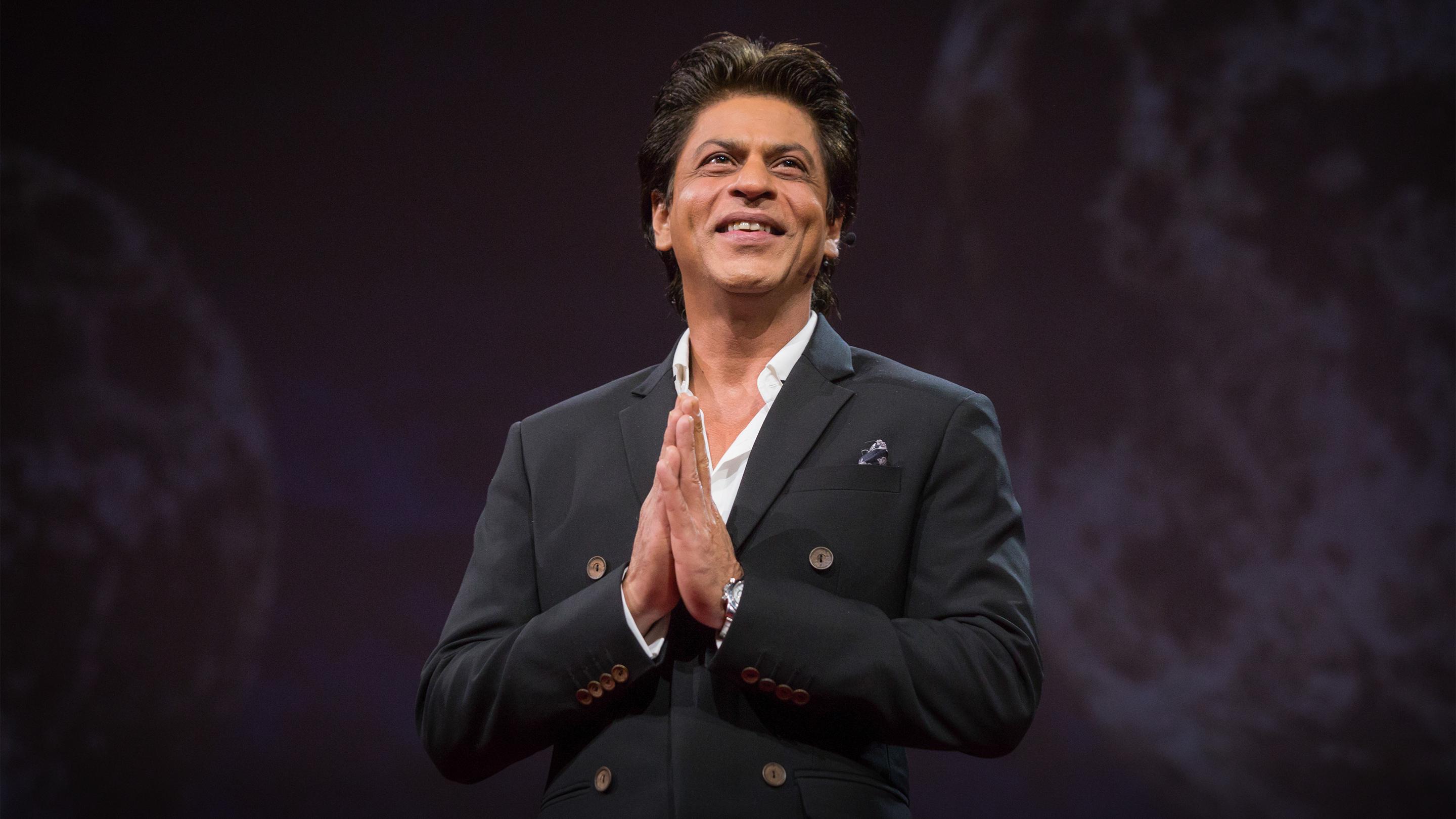
"I sell dreams, and I peddle love to millions of people," says Shah Rukh Khan, Bollywood's biggest star. In this charming, funny talk, Khan traces the arc of his life, showcases a few of his famous dance moves and shares hard-earned wisdom from a life spent in the spotlight.Learn more about our flagship conference happening this April at attend.ted.com/podcast Hosted on Acast. See acast.com/privacy for more information.
Oceanographer Kate Stafford lowers us into the sonically rich depths of the Arctic Ocean, where ice groans, whales sing to communicate over vast distances -- and climate change and human noise threaten to alter the environment in ways we don't understand. Learn more about why this underwater soundscape matters and what we might do to protect it.Learn more about our flagship conference happening this April at attend.ted.com/podcast Hosted on Acast. See acast.com/privacy for more information.
Jennifer Petriglieri, professor at INSEAD, discusses how talented employees can avoid being crushed by lofty expectations -- whether their own, or others'. She has researched how people seen as "high potential" often start to feel trapped and ultimately burn out. Petriglieri discusses practical ways employees can handle this, and come to see this difficult phase as a career rite of passage. She’s the co-author of “The Talent Curse” in the May-June 2017 issue of Harvard Business Review.
A board veteran who has sat on both sides of the table, CEO of PagerDuty Jennifer Tejada shares what you gain from board membership (vs. being only an operator). How does being a board member change you as a CEO, and vice versa? Recorded as part of ...
Ben and David continue Acquired’s “tech and sports” mini-series with Disney’s 2016 acquisition of a minority stake (with the right to purchase a majority stake at a later date) in BAMTech, the internet streaming company originally founded as part of Major League Baseball in the early 2000’s. However the importance of this story goes deeper than just sports, with major ramifications for nearly every major technology company from Amazon to YouTube. Even if you’re not not sure if baseball’s played on a diamond or a gridiron, tune in as we swing for the fences in predicting the future of TV! Sponsors:WorkOS: https://bit.ly/workos25Sierra: https://bit.ly/acquiredsierraSentry: https://bit.ly/acquiredsentryAnthropic: https://bit.ly/acquiredclaude25More Acquired!Get email updates with hints on next episode and follow-ups from recent episodesJoin the SlackSubscribe to ACQ2Merch Store!© Copyright 2015-2025 ACQ, LLCTopics covered include: What is BAMTech, and why is it, according to The Verge, "the future of television”?BAMTech’s origins as part of Major League Baseball's Advanced Media division ("MLBAM)”)MLBAM’s founding CEO Bob Bowman’s decidedly “non-tech” background, and growth into one of the most important tech leaders of the past 15 yearsInitial technology struggles and learnings from early streaming efforts (including a botched audio package of Ichiro Suzuki’s games with the Mariners for fans in Japan)Landing on a streaming model that works with the launch of MLB.tv in 2002/2003—three years before YouTube is founded! Improvement of the MLB.tv service and MLBAM’s streaming expertise over the next ten years through the rise of mobile, and simultaneous growth of MLBAM’s revenues to over $1B annuallyMLBAM’s initial deals to expand its streaming services beyond baseball, starting with ESPN in 2010, then WWE, the PGA, HBO and the NHLThe importance of media rights, and MLBAM’s transition from a simple tech/infrastructure provider to a full-fledged media company The decision to initiate a spin-off process for BAMTech from MLB in August 2015, and Disney’s $1B investment into the newly created spin-out company in August 2016Disney’s subsequent announcement that they’ll be working with BAMTech to create a direct-to-consumer ESPN streaming serviceBAMTech’s $300M deal with Riot Games in December 2016 for the media rights to League of Legends eSports content Bob Bowman’s announcement in February 2017 that he’ll be stepping back to from a day to day role, and hiring of former Amazon VP of Video Michael Paull as BAMTech’s new CEO Followups & Hot Takes: Facebook’s struggles with Instant Articles Microsoft killing Wunderlist (David is VERY sad) Instagram continues its torrid growth, passes 700M MAU Amazon’s new Look The Cloudera IPOConfirmation the ride sharing wars are far from over: Didi raises $5.5B in the largest private funding round ever The Carve Out: Ben: NYT’s 4th Down BotDavid: Wait But Why on Elon Musk’s “Wizard Hat"
Think you've raised enough money for your startup? Think again. You have to run through a minefield of unexpected expenses as an entrepreneur. And you never know where the big opportunity will come from — or if you'll need to make an unexpected, expensive pivot to stay afloat. So always, always raise more money than you think you need. Mariam Naficy shares her white-knuckle experiences founding startups that survived two financial crashes — the online cosmetic company Eve.com in the dotcom-boom ’90s, and founder and the design marketplace Minted.com today. Cameo appearances: Selina Tobaccowala (Evite, Gixo), Daniel Kahneman (Nobel-winning psychologist), Brian Chesky (Airbnb), and Amos Kedmey (Wine and Cheese Place).Read a transcript of this interview at: https://mastersofscale.com/mariam-naficy-the-money-episode/Subscribe to the Masters of Scale weekly newsletter: https://mastersofscale.com/subscribeSee Privacy Policy at https://art19.com/privacy and California Privacy Notice at https://art19.com/privacy#do-not-sell-my-info.
Mick West is a game programmer, writer, and debunker. Currently runs a few websites including http://MetaBunk.org and http://ContrailScience.com Round Earth Shill T-Shirt - http://www.youngjamie.com/shop/reshill Learn more about your ad choices. Visit podcastchoices.com/adchoices
This week’s guest is Will Thorndike, an author and investor whose book The Outsiders is an all-time favorite of mine. Our conversation is in two parts. First, we dive deep into the lessons of his 8-year research project studying CEOs who were master capital allocators. These CEOs include Henry Singleton, John Malone, Tom Murphy, Katherine Graham, and Warren Buffett. We discuss how these CEOs tended to be contrarians on topics like dividends, buybacks, acquisitions, and the use of debt. As we go through each of the tools in the capital allocators toolkit, you’ll hear several useful lessons for running or evaluating a business. In the second part, we cover Will’s career in private equity. Will founded and continues to run Housatonic Partners, investing in buyouts, recaps, and search funds. Will has been one of the most active search fund investors for decades, and given how much time I’ve spent in past episodes on the searchers or operators in the micro-cap, permanent equity space, it was great to get the perspective of an experienced LP. As always, we also take time to survey the dangers and opportunities in today’s private equity market. For comprehensive show notes on this episode go to http://investorfieldguide.com/thorndike For more episodes go to InvestorFieldGuide.com/podcast. Sign up for the book club, where you’ll get a full investor curriculum and then 3-4 suggestions every month at InvestorFieldGuide.com/bookclub. Follow Patrick on Twitter at @patrick_oshag

How can humans be so compassionate and altruistic -- and also so brutal and violent? To understand why we do what we do, neuroscientist Robert Sapolsky looks at extreme context, examining actions on timescales from seconds to millions of years before they occurred. In this fascinating talk, he shares his cutting edge research into the biology that drives our worst and best behaviors.Learn more about our flagship conference happening this April at attend.ted.com/podcast Hosted on Acast. See acast.com/privacy for more information.
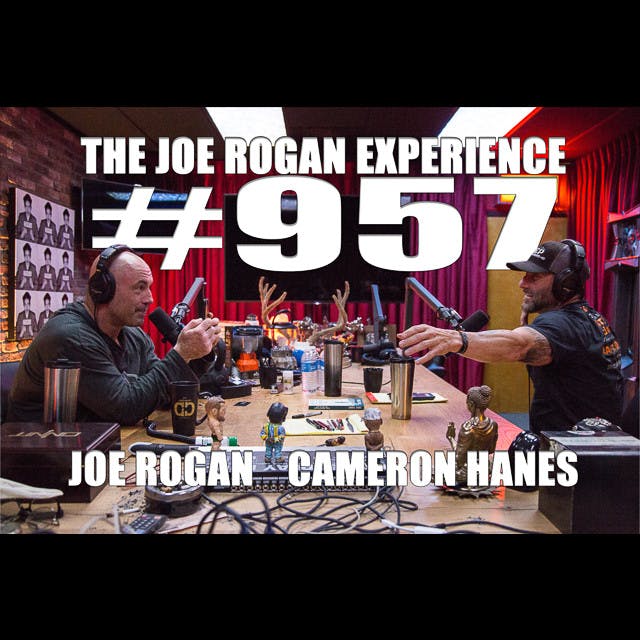
Cameron Hanes is a bowhunting athlete, “training intensively each and every day to become the Ultimate Predator.” Learn more about your ad choices. Visit podcastchoices.com/adchoices
Jordan Peterson is a clinical psychologist and tenured professor of psychology at the University of Toronto. All Dr. Peterson's self-improvement writing programs at www.selfauthoring.com 20% off for Rogan listeners until June: code joerogan Dr. Peterson's YouTube channel: https://www.youtube.com/user/JordanPetersonVideos Support Dr. Peterson's work at www.patreon.com/jordanbpeterson Learn more about your ad choices. Visit podcastchoices.com/adchoices
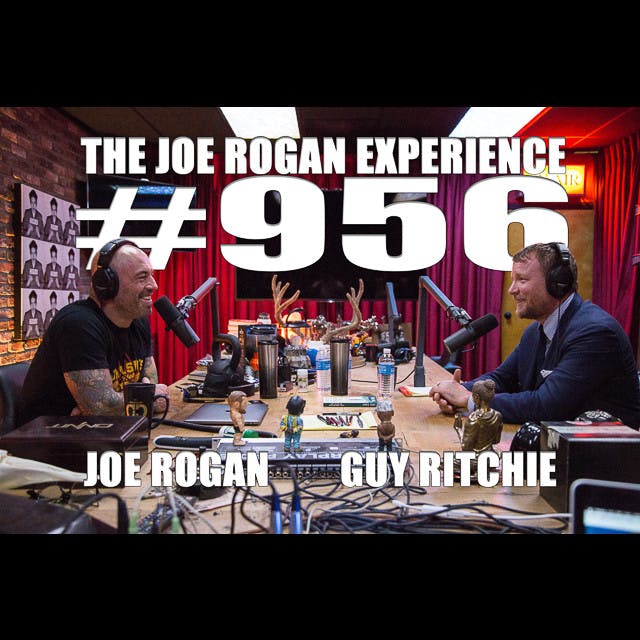
Guy Ritchie is a writer, director and producer. His latest film "King Arthur: Legend of the Sword" releases on May 12, 2017. Learn more about your ad choices. Visit podcastchoices.com/adchoices
Wharton professor David Robertson discusses a "third way" to innovate besides disruptive and sustaining innovations. He outlines this approach through the examples of companies including LEGO, GoPro, Victoria's Secret, USAA, and CarMax. It consists of creating a family of complementary innovations around a product or service, all of which work as a system to carry out a single strategy. Robertson's the author of "The Power of Little Ideas: A Low-Risk, High-Reward Approach to Innovation."
Al Madrigal is a comedian and actor. He was a regular correspondent on The Daily Show with Jon Stewart and is a co-founder of the All Things Comedy podcast network, alongside Bill Burr. His new special "Shrimpin' Ain't Easy" premieres on Showtime on May 5 at 9pm Family Friendly. Learn more about your ad choices. Visit podcastchoices.com/adchoices
If you want your company to truly scale, you first have to do things that don't scale. Handcraft the core experience. Get your hands dirty. Serve your customers one-by-one. And don't stop until you know exactly what they want. That's what Brian Chesky did. As CEO of Airbnb, Brian’s early work was more akin to a traveling salesman. He takes us back to his lean years – when he went door-to-door, meeting Airbnb hosts in person – and shares the imaginative route to crafting what he calls an "11-star experience.”Read Paul Graham: "In order to scale, you have to do things that don't scale."Read a transcript of this episode: https://mastersofscale.comSubscribe to the Masters of Scale weekly newsletter: https://mastersofscale.com/subscribeSee Privacy Policy at https://art19.com/privacy and California Privacy Notice at https://art19.com/privacy#do-not-sell-my-info.
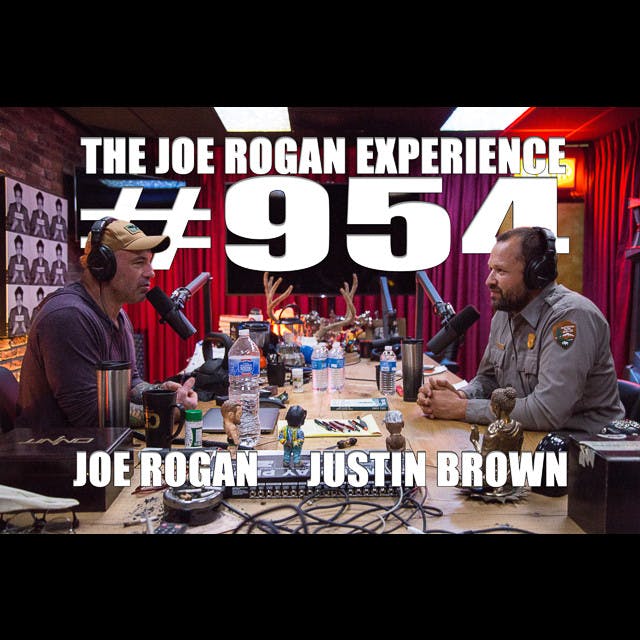
Justin Brown is a biologist who leads coyote field research for Santa Monica Mountains National Recreation Area Family Friendly Learn more about your ad choices. Visit podcastchoices.com/adchoices
This coming weekend is the annual Berkshire Hathaway shareholder meeting in Omaha. That means this week is the perfect opportunity to discuss a topic which will likely figure prominently at Berkshire this weekend: Ted Seides’s famous bet with Buffett. Ted and I discuss the origins of the bet, the nuances beneath the headlines, and whether he’d make the bet again for the next ten years. Along the way, we cover many hot topics like hedge funds, alternatives, fees, and indexing. Please enjoy! For comprehensive show notes on this episode go to http://investorfieldguide.com/bet For more episodes go to InvestorFieldGuide.com/podcast. Sign up for the book club, where you’ll get a full investor curriculum and then 3-4 suggestions every month at InvestorFieldGuide.com/bookclub. Follow Patrick on Twitter at @patrick_oshag
Explore the diverse voices and perspectives from podcast creators in United States. Each episode offers unique insights into the culture, language, and stories from this region.